The oldest hotel-restaurant in Belgium — over 250 years of hospitality on the banks of the Amblève.
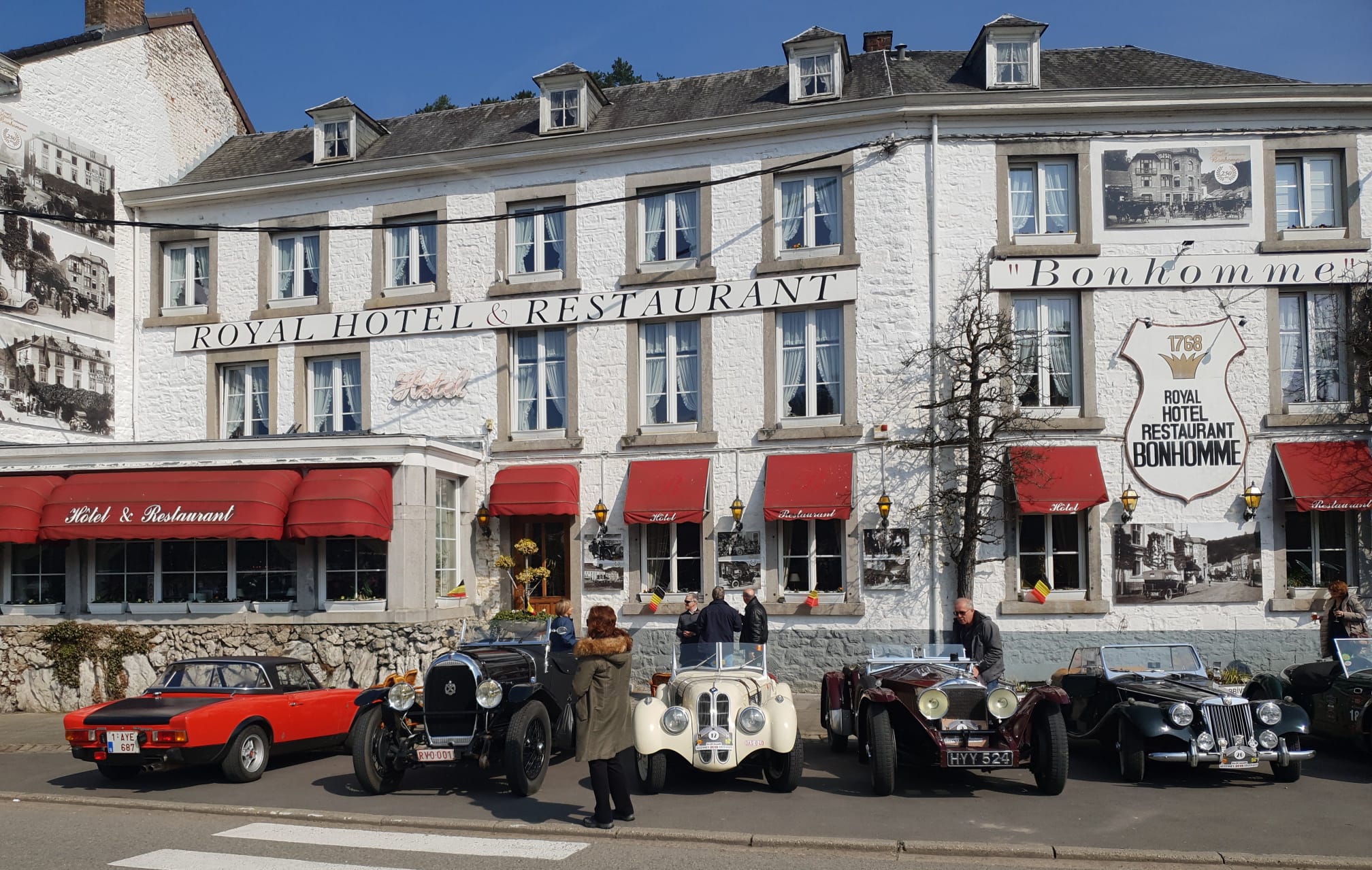
In 1768, on the road linking Liège to the deep forests of the Ardennes, a coaching inn opened its doors on the banks of the Amblève river, in Remouchamps. Stagecoaches would stop there to change horses, allowing travellers to eat and find a bed for the night.
Since then, without interruption, eight generations of the Daussaint-Bonhomme family have passed down the keys to the house — a national record no other establishment can claim.
Eight generations of the Daussaint-Bonhomme family have succeeded one another on the banks of the Amblève. Here is their story, told through the archives and photographs kept by the family.
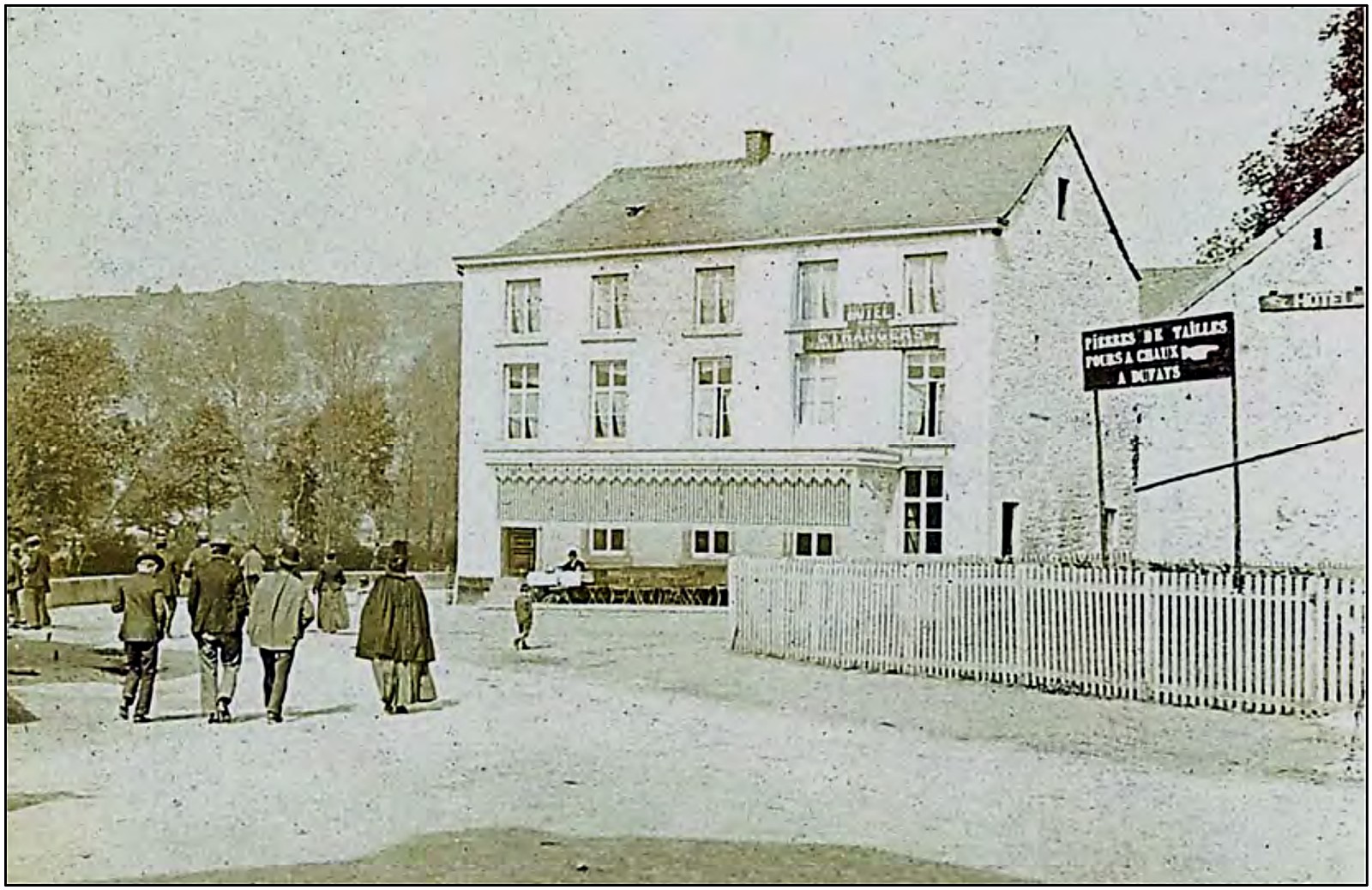
In 1768, on the road linking Liège to the Ardennes, a coaching inn opened its doors in Remouchamps. Stagecoaches would stop there to change horses, and travellers found food and lodging.
The oldest surviving photograph of the house, showing the Hôtel des Etrangers as it appeared to villagers and travellers in 1882.
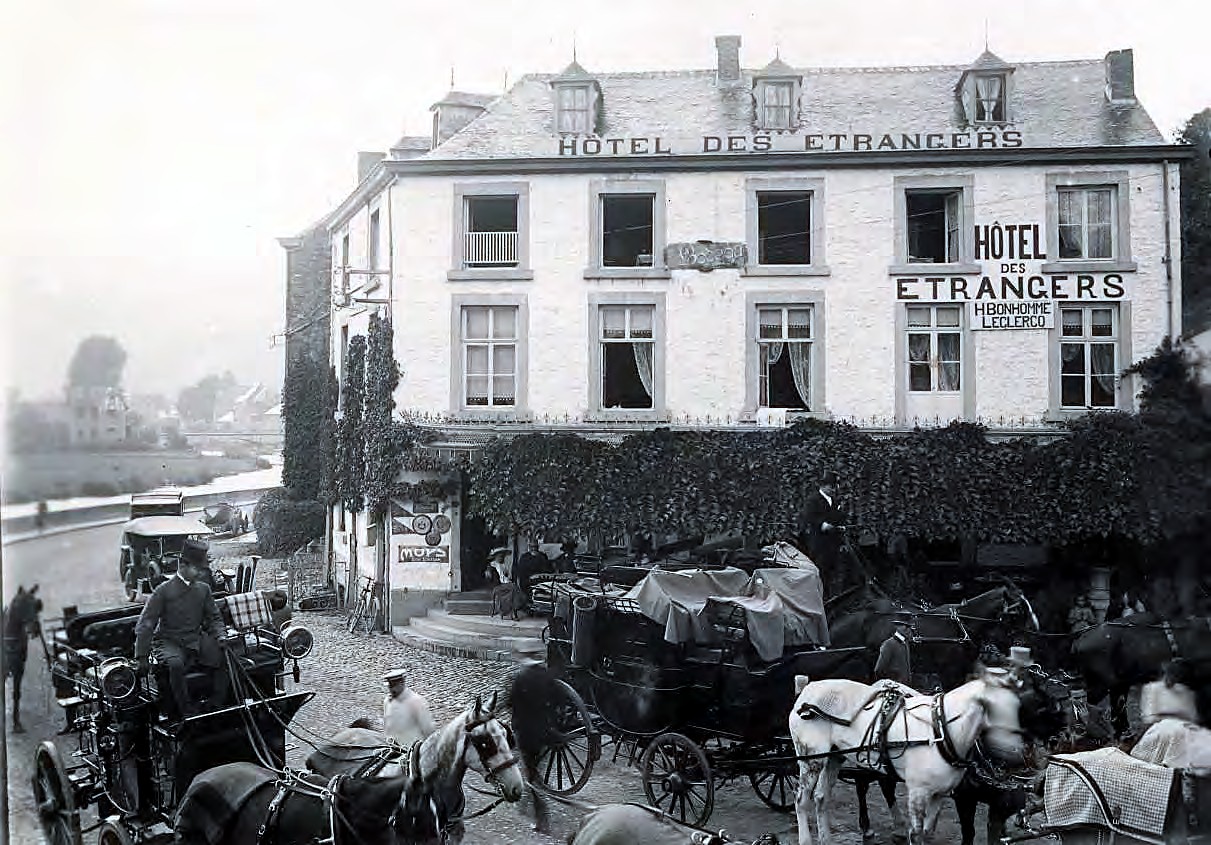
The coachmen wait patiently by their teams for the visitors to return, refreshed after their visit to the nearby cave — already, at the time, an unmissable stop in the valley.
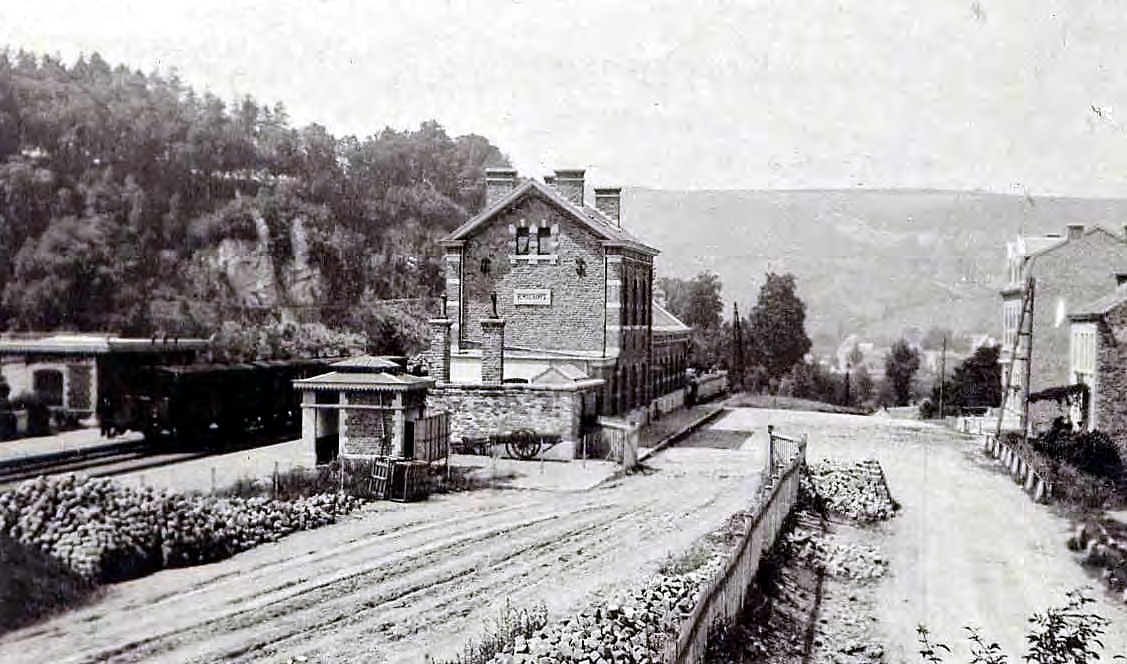
The late 19th century transformed Remouchamps: the discovery of the cave attracted visitors from all over Europe, and the arrival of the railway opened up the valley. The hotel, already renowned for its comfort and electric lighting, became a prized stop in the Amblève valley.
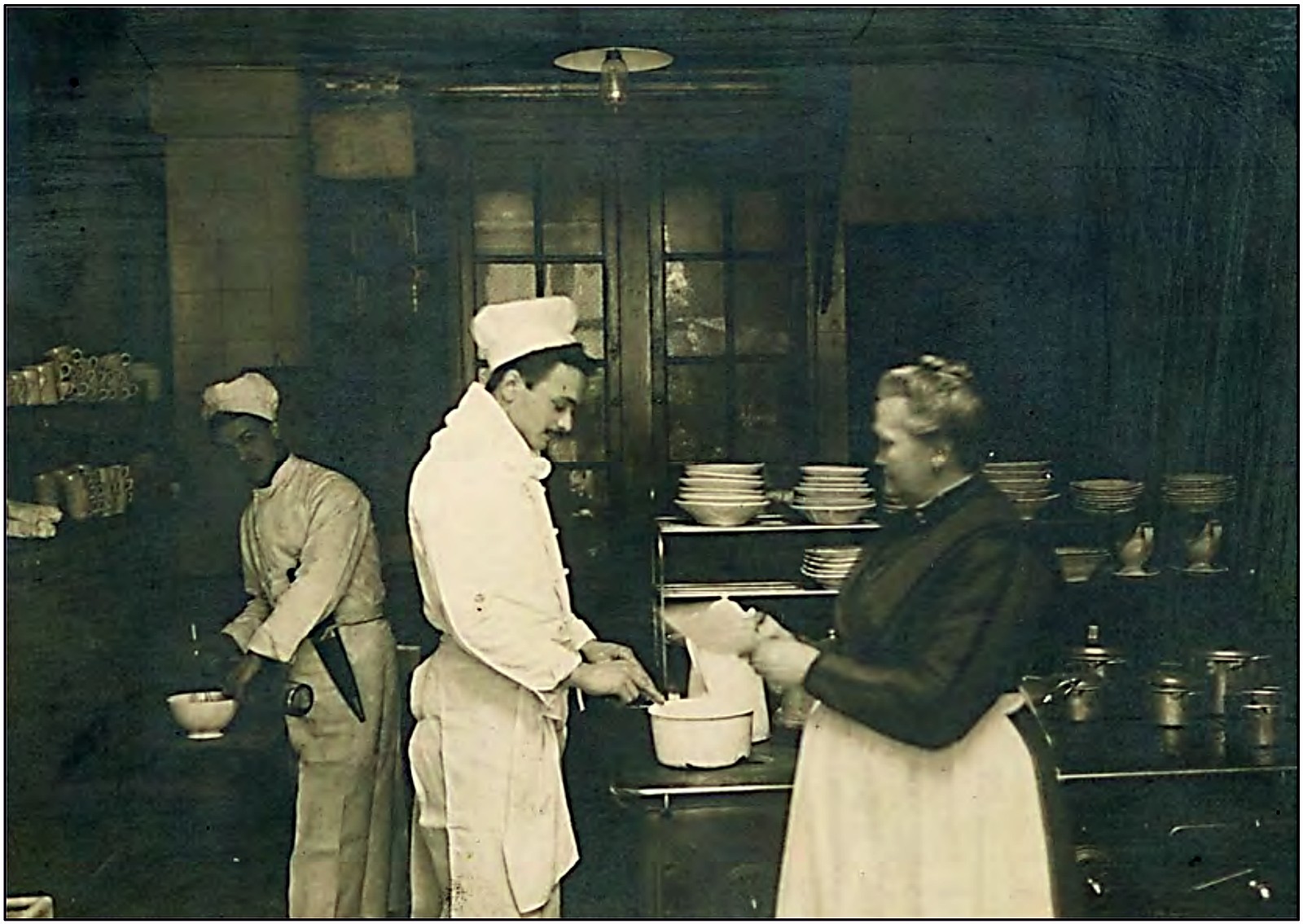
Having mastered the culinary arts, Urbain Bonhomme took over the kitchen of the family house. His reputation soon spread beyond the village: trout au bleu, crayfish and lobster “Bonhomme style” became the house's signature.
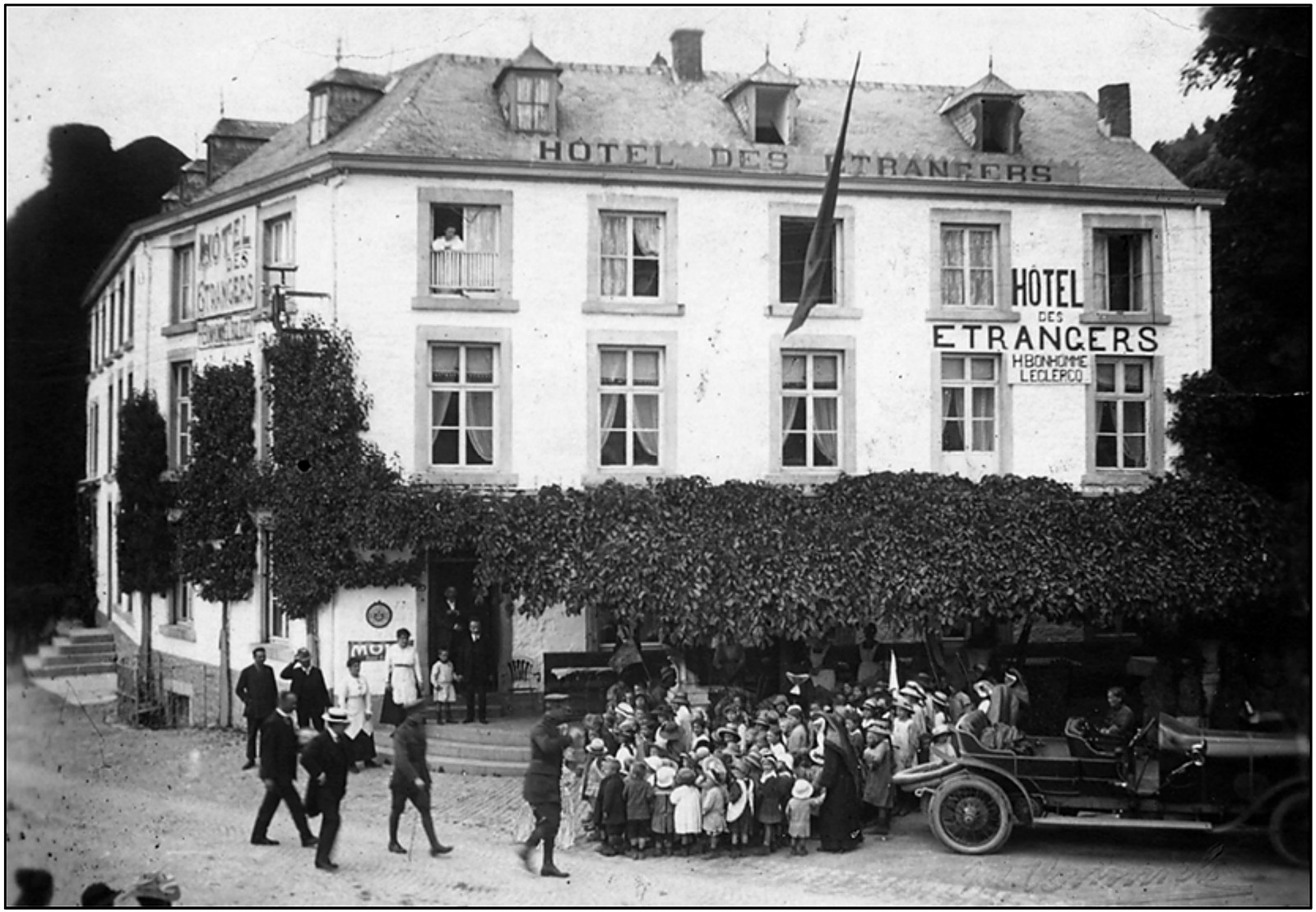
Accompanied by Baron de Crawhez, mayor of Spa, King Albert I was received by Henri Bonhomme, owner of the Hôtel des Etrangers. Urbain Bonhomme prepared the dinner, served in the great dining room. Pleased with his welcome, the sovereign signed the hotel's Golden Book before setting off to visit the nearby cave.
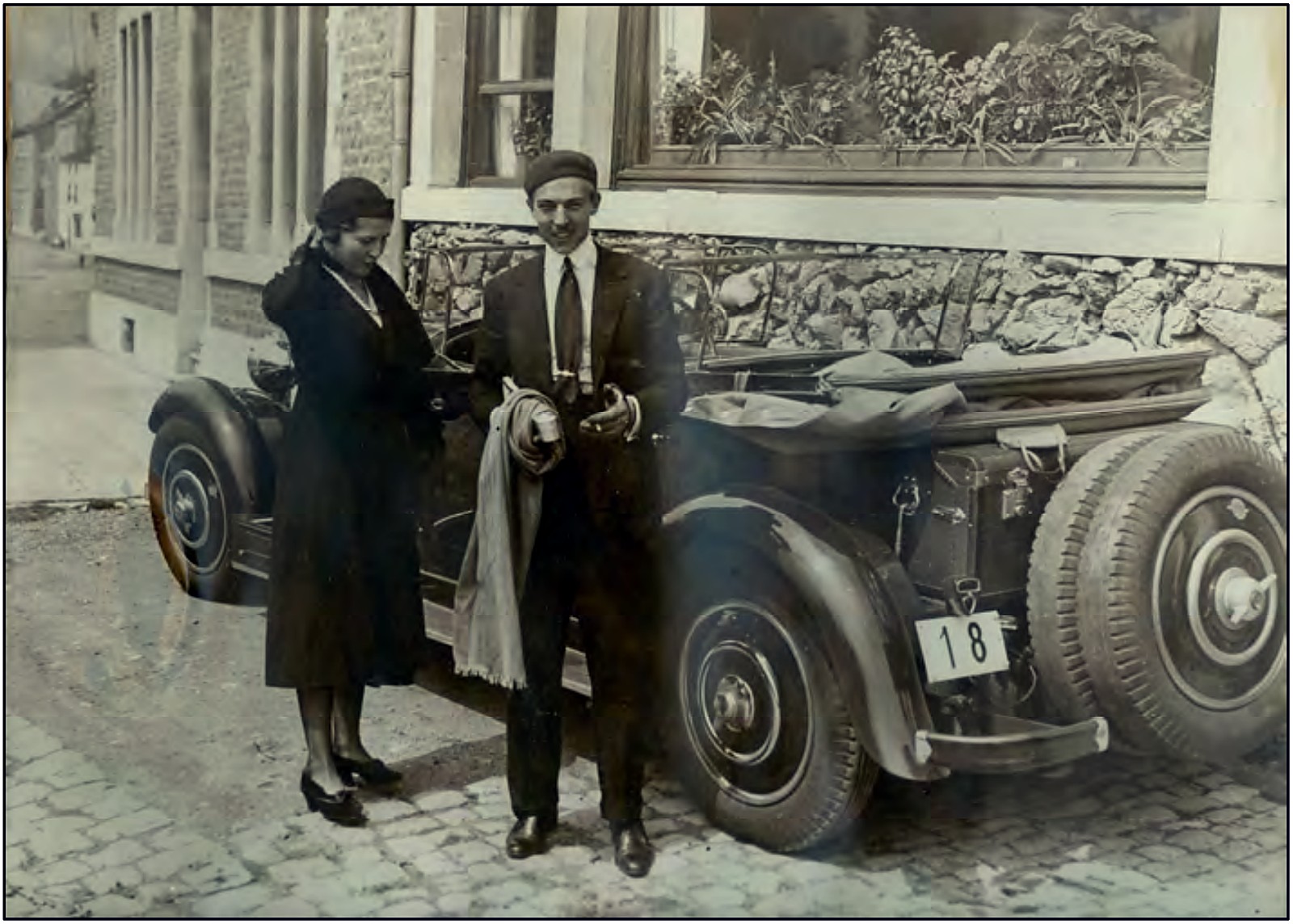
The house's reputation, renowned for its crayfish and lobster “Bonhomme style”, spread beyond national borders. The Duke of Guise, the Count and Countess of Paris, and many other distinguished guests stopped in Remouchamps and, in turn, signed the hotel's Golden Book.
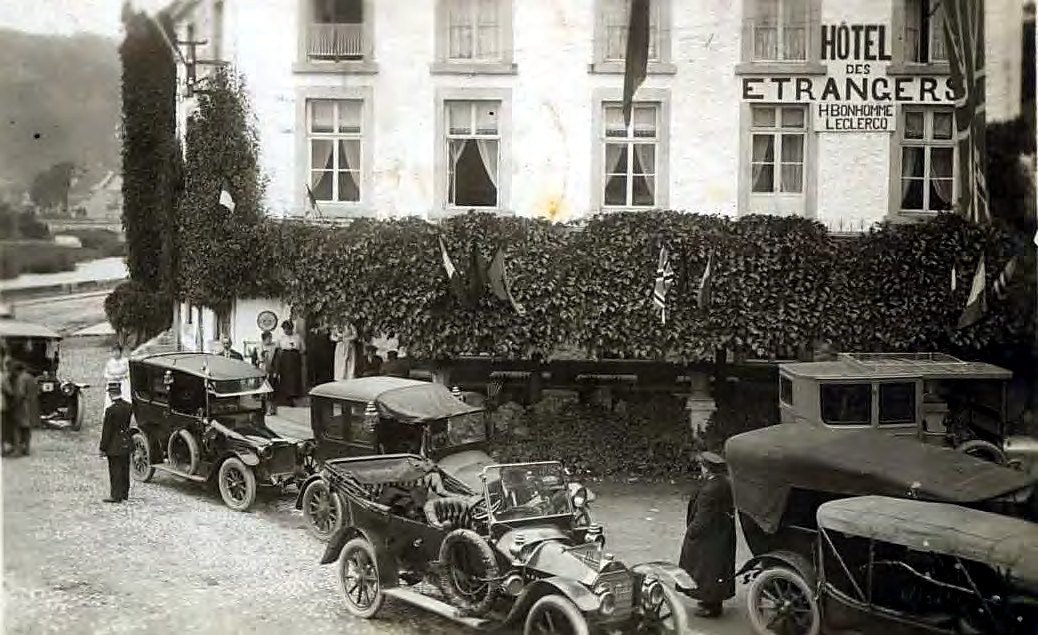
Artists, actors and racing drivers also flocked to the hotel: Fernandel, Mistinguett, Pauline Carton, Juan Manuel Fangio and even Douglas Fairbanks are mentioned among the distinguished visitors in the family's recollections.
“It was a masterpiece of culinary art, skilful organisation and warm hospitality.”The press, on a banquet held at the hotel — 21 June 1936
In 1937, the Hôtel des Etrangers became the first establishment in the Amblève valley to be awarded a Michelin star — a recognition it held until 1940. After the war, the house regained its distinction and kept it until 1958, testament to the consistency of a demanding family kitchen.
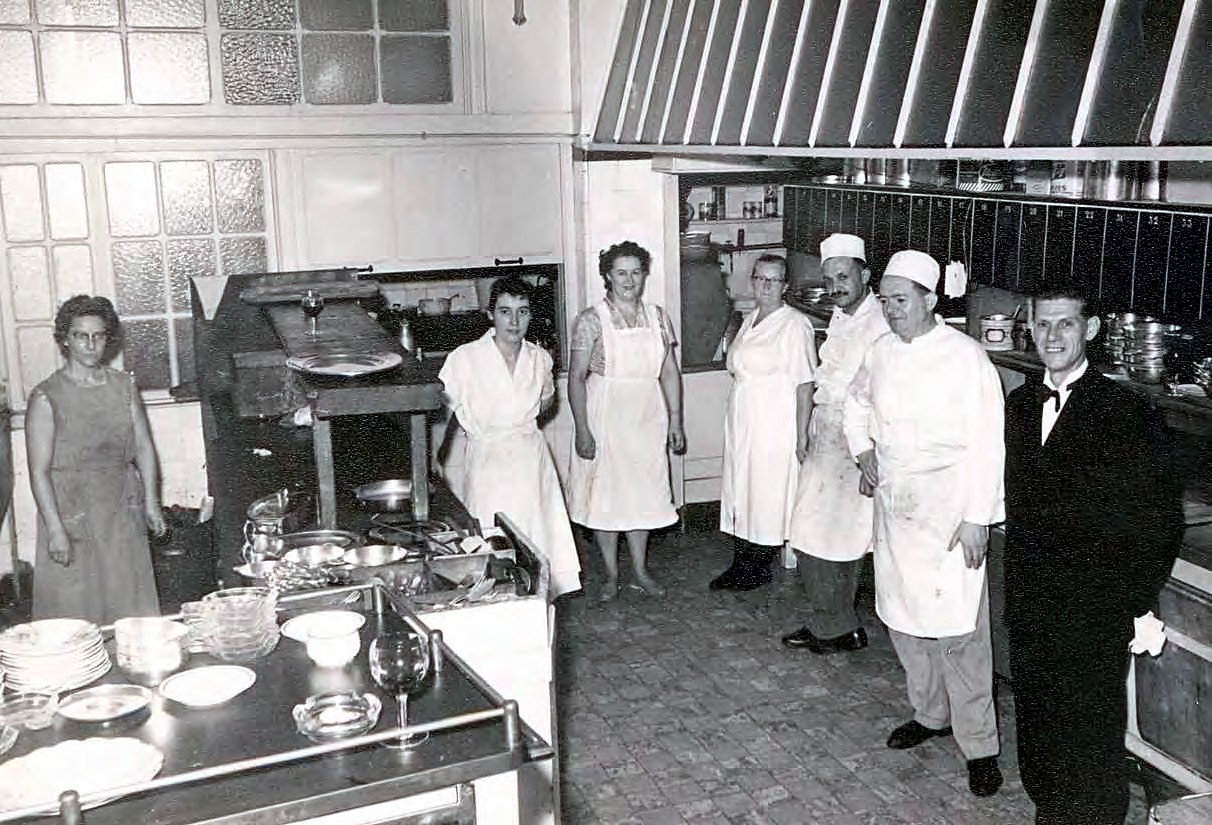
Partridge, pheasant and regional game in season, trout and crayfish caught in the nearby Rubicon stream or in the tanks: the tradition and family recipes, in which butter has always played a starring role, are carried on in the kitchen from generation to generation.
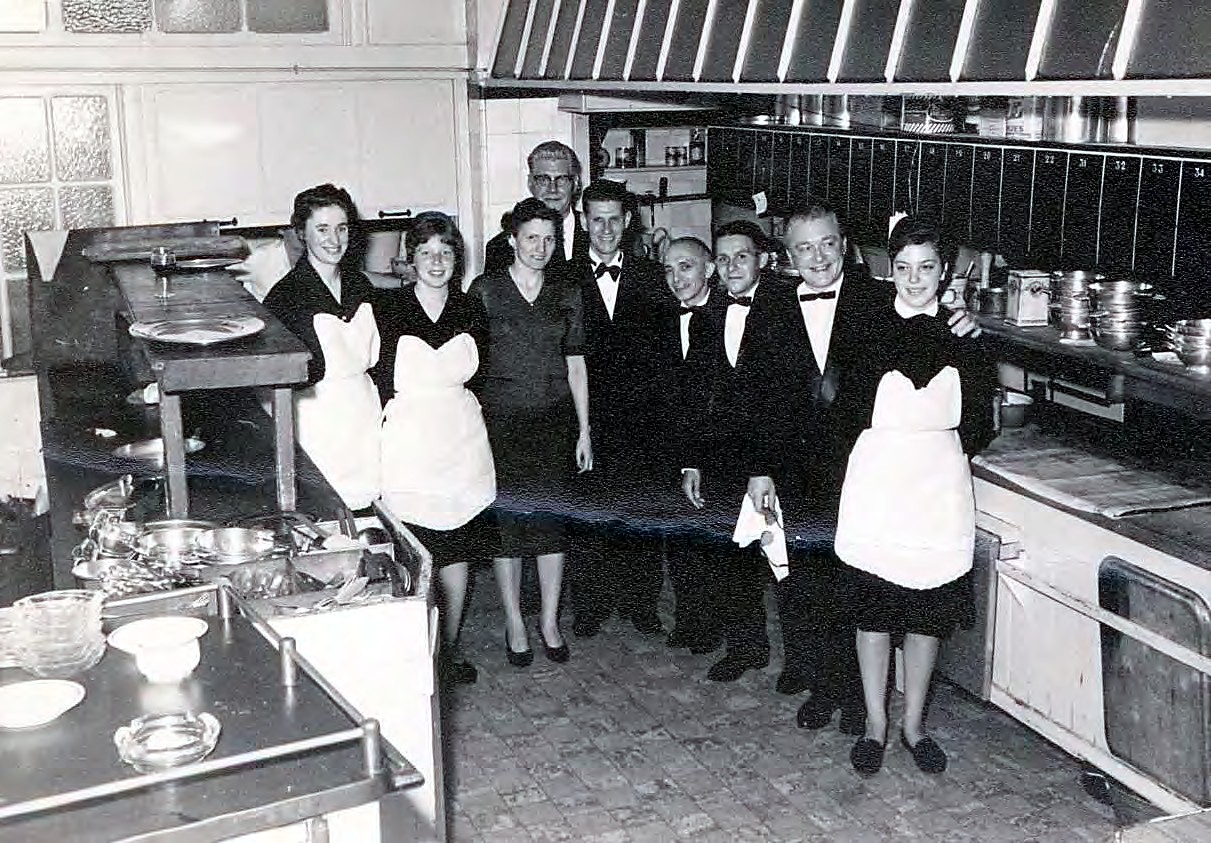
The hotel then employed some thirty people — chambermaids, cooks, waiters, a head waiter — almost all of them living in the village. Urbain Bonhomme surrounded himself only with staff from the region, proud to work in this “family house”.
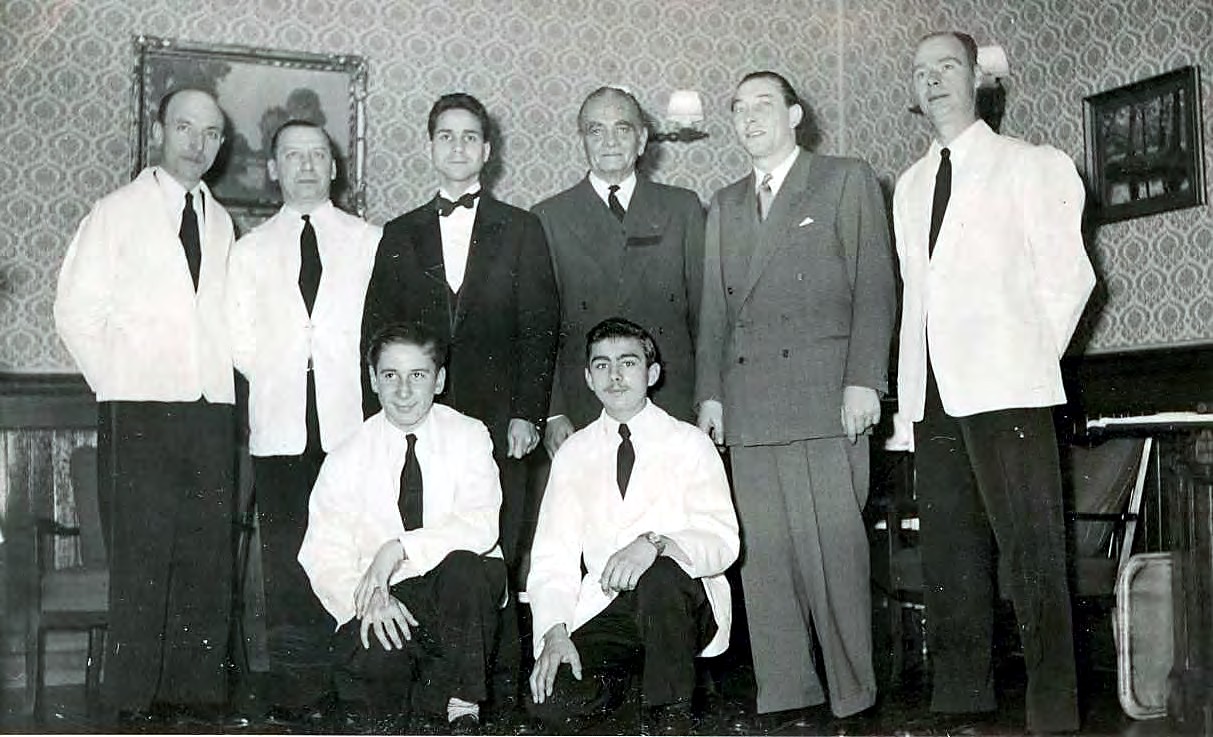
Surrounded by the dining room staff and Freddy, the head waiter, Urbain Bonhomme and his son-in-law Edouard Daussaint embody the passing of the torch from one generation to the next — the generation that would soon see the house through the darkest years of its history.
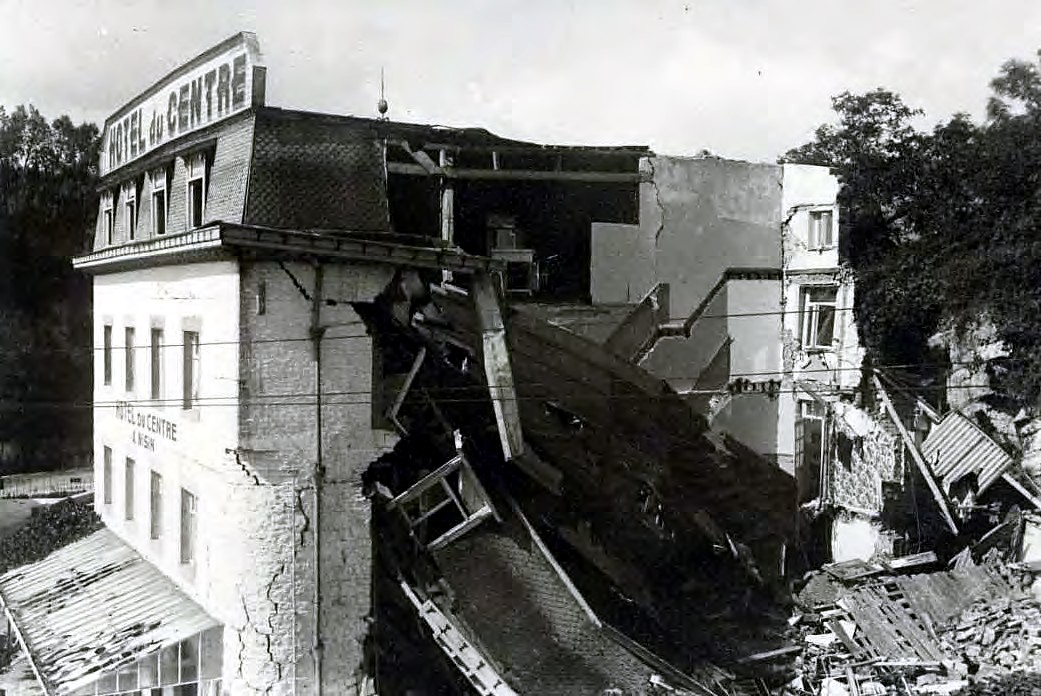
On 10 May 1940, the German armies invaded Belgium; by the very next day, the first troops reached Remouchamps. On 2 June 1940, an English aircraft bombed the nearby Hôtel du Centre, which was entirely destroyed. Throughout the four years of occupation, the Hôtel des Etrangers served as a temporary transit point for Allied airmen and took part, at its own risk, in several acts of resistance.
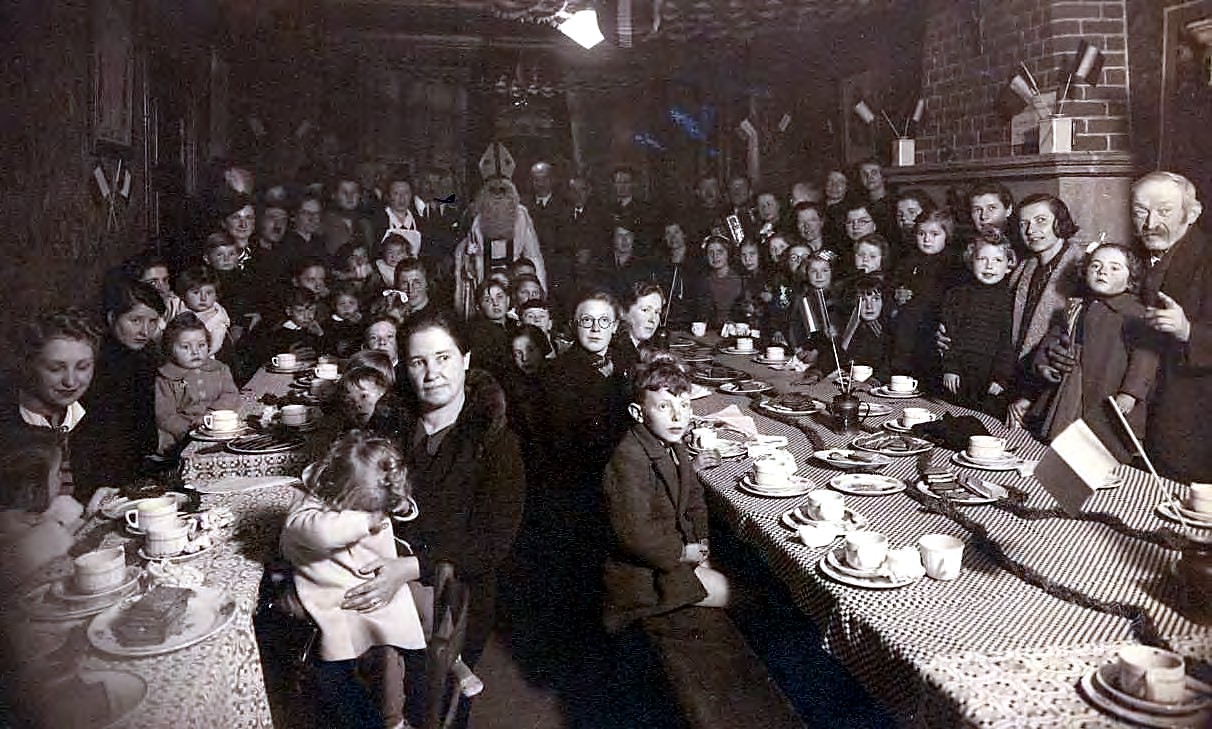
Despite the years of scarcity, Madame Urbain Bonhomme organised a tea party on the eve of Saint Nicholas for the village children whose fathers were away at war, taken prisoner, or had fallen in battle. Pastries, biscuits and hot chocolate remain, for many, a vivid memory of those difficult years.
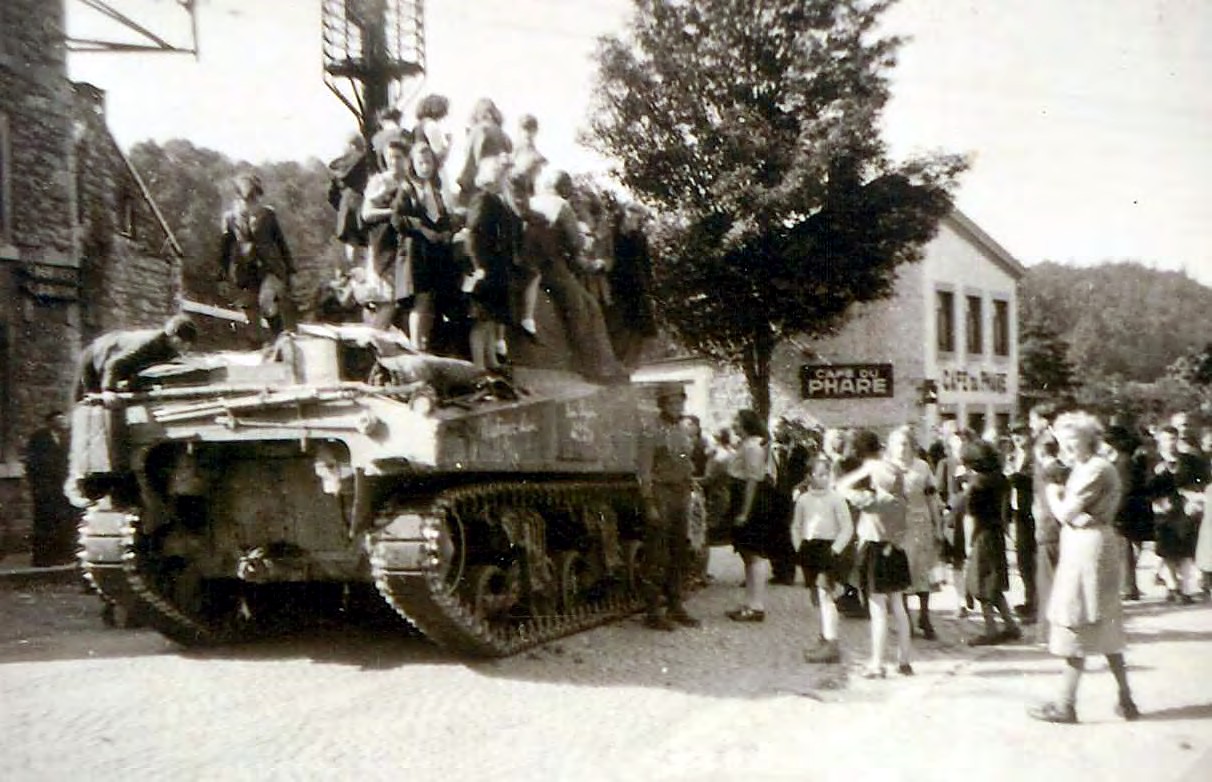
American troops entered Remouchamps and settled across the entire municipal territory. The Hôtel des Etrangers was requisitioned by the American General Staff, then by counter-espionage services — until the German Ardennes offensive in December 1944.
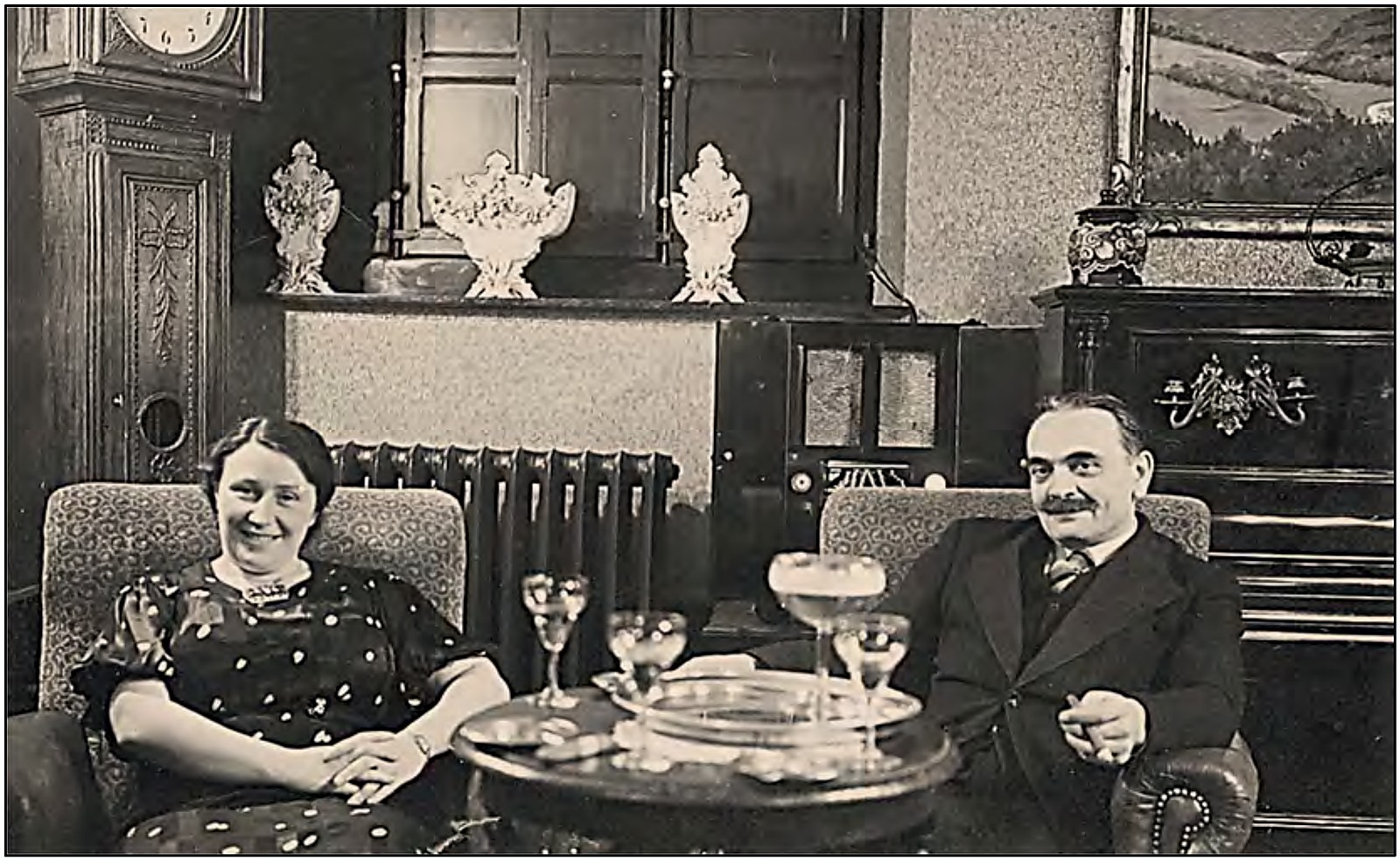
Urbain Bonhomme passed away on 24 May 1958. His daughter, Nelly Bonhomme, took over the reins of the house with her husband Edouard Daussaint, a hotelier in Rochefort. In 1997, their son Bernard Daussaint in turn took charge of the Royal Hôtel-Restaurant Bonhomme and undertook the renovations that would gradually modernise the rooms, bathrooms and communal areas.
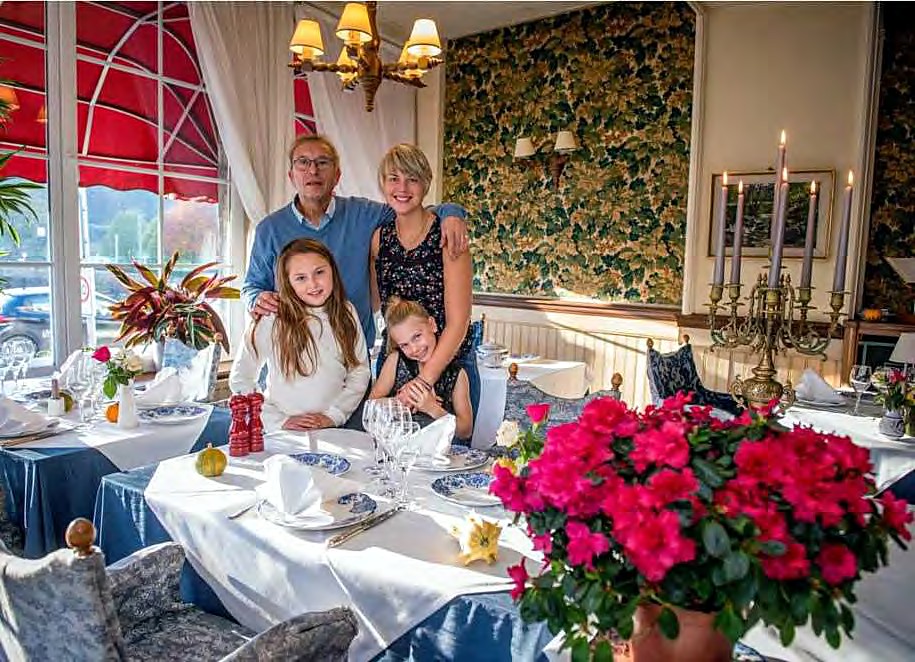
We are the oldest hotel-restaurant in Belgium to count eight generations of the same family. Today, it is Stéphanie Daussaint who has taken over the hotel and restaurant, supported by her parents Bernard and Nathalie — carrying on, more than 250 years after 1768, that same tradition of hospitality on the banks of the Amblève.
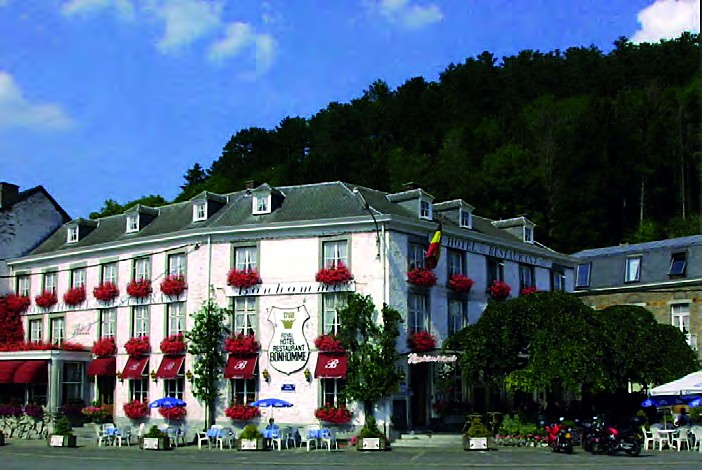
The name “Bonhomme”, which had given way to “Royal Hôtel des Etrangers”, reclaimed its rightful place in 1997. Today it carries the history of eight generations — a story that continues to be written, one welcome at a time.
Eight generations later, the same family welcomes you on the banks of the Amblève. Come and add your own chapter.
The Royal Hôtel Restaurant Bonhomme in Remouchamps is the oldest hotel-restaurant in Belgium. Founded in 1768 as a coaching inn on the road from Liège to the Ardennes, it has been run for over 250 years by the same family — the Daussaint-Bonhommes, now in their 8th generation.
Over the course of its history, the Royal Hôtel Bonhomme has welcomed numerous personalities: King Albert I of Belgium (the Knight-King), the Count and Countess of Paris, Mistinguett (queen of the Parisian music hall), Fernandel (the greatest comedian of French cinema), and Juan Manuel Fangio (five-time Formula 1 world champion, passing through for the Belgian Grand Prix at Spa-Francorchamps).